Insights / Digital twins
Funding a digital twin project in the UK: accelerators, grants and what assessors look for
In short
- Digital Catapult runs the main UK digital twin accelerators, delivered with the UK Digital Twin Centre in Belfast.
- The 2026 Digital Twin Adoption Accelerator funded nine pairs of a tech SME and an industry adopter, with up to £100k of Innovate UK grant per project.
- The Digital Twin Industry Challenge Led Accelerator offers up to £75k each to up to 12 SMEs, and closes on 27 October 2026.
- Manufacturers can also use Made Smarter, which offers up to 50% match funding capped at £20k towards digital technology.
- Fundable twins start small. Assessors want one operational question, real data and a pilot site, not a model of everything.
Digital twins have moved from impressive demos to working tools: ports that plan berths on a live model, buildings that flag poor air quality before anyone complains, factories that test a layout change before moving a machine. Public funding has followed. Here is how UK businesses are funding twins in 2026, and how to shape a project that gets backed.
Digital Catapult and the UK Digital Twin Centre
Digital Catapult is the main route for digital twin funding. Its UK Digital Twin Centre, based in Belfast, is backed by more than £37m over five years from the Belfast Region City Deal, Innovate UK and industry partners including Thales, Shorts and Artemis.
Digital Twin Adoption Accelerator 2026
| Adoption Accelerator 2026 | |
|---|---|
| Funding | Up to £100k Innovate UK grant per project |
| Places | 9 partnerships |
| Length | 9 months, plus mentoring and access to test facilities |
| Who applies | A pre-formed pair: a UK tech SME and an industry adopter |
| Sectors | Automotive, agri-tech, maritime, aerospace and space, defence, clean energy, creative, life sciences |
| Timeline | Applications closed 6 September 2026, projects kick off 18 November 2026 and run to June 2027 |
The pairing is the key feature. Assessors want to see a real adopter with a real operational problem, not a technology looking for a home.
Digital Twin Industry Challenge Led Accelerator 2026
This one is open now and closes at 11pm on 27 October 2026. Up to 12 UK SMEs will each receive up to £75k of grant over nine months, working on four challenges set by Artemis, BAE, Thales and Vertical Aerospace.
Other routes
- Made Smarter Adoption gives SME manufacturers up to 50% match funding, capped at £20k, towards digital technology or specialist advice. A first twin of a production line or plant room can fit.
- AI competitions such as the BridgeAI Deployment Catalyst can fund twins that use AI for operational decisions, where the deploying organisation is in one of the competition's eligible sectors.
- R&D tax relief can apply where building the twin involves genuine technical uncertainty, for example new data integration or simulation methods.
What assessors look for
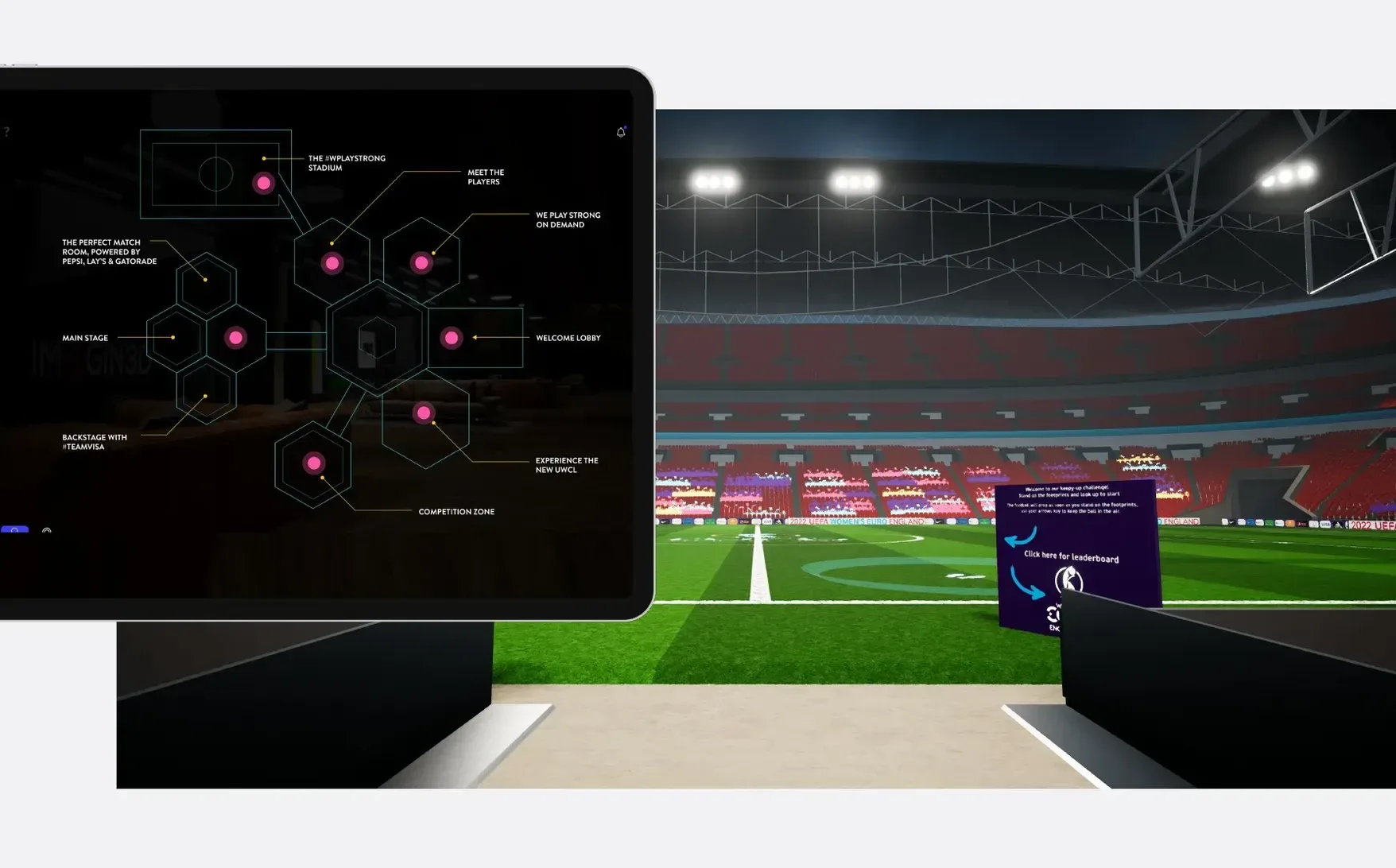
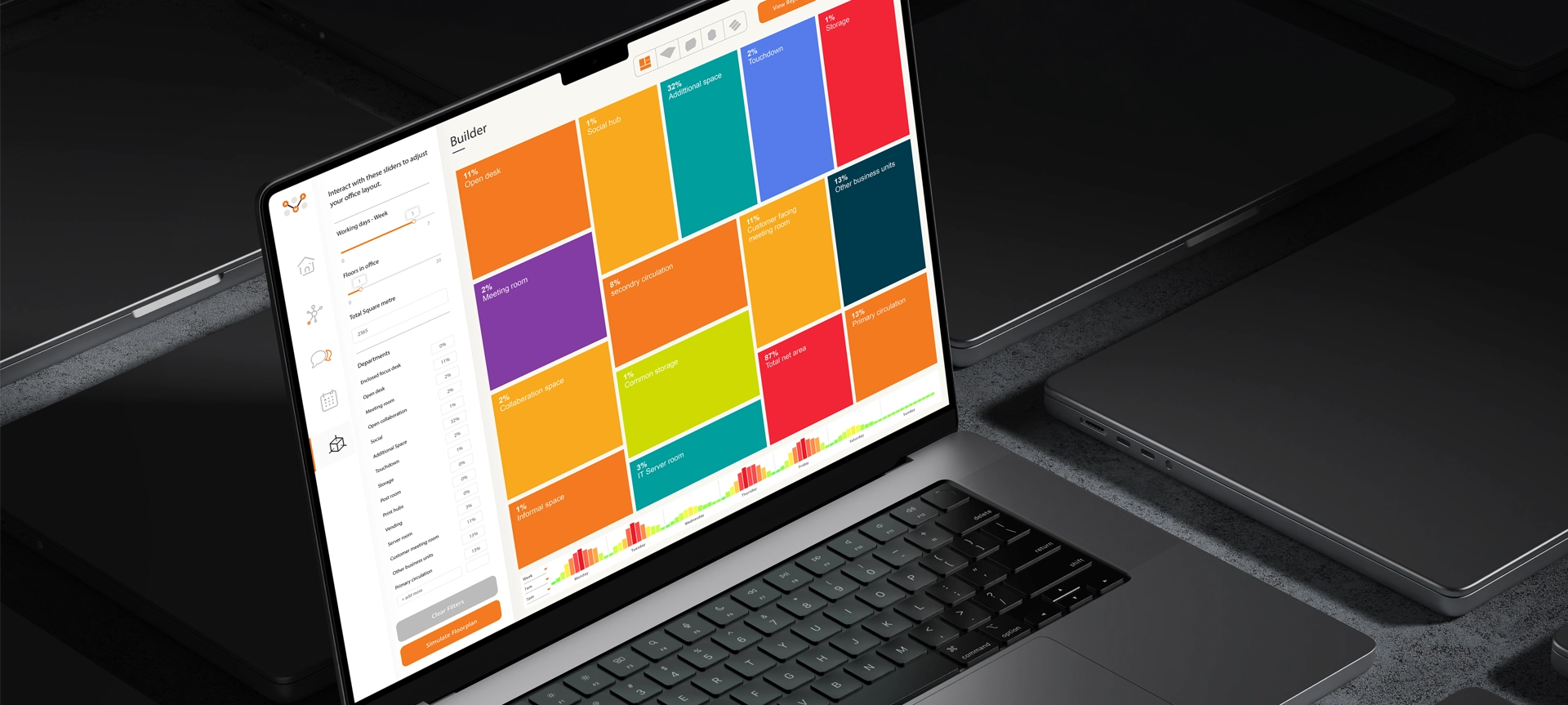
We have designed and built twins for a port authority, a workplace consultancy and our own building sensing platform. The projects that work, and the applications that score, share the same shape.
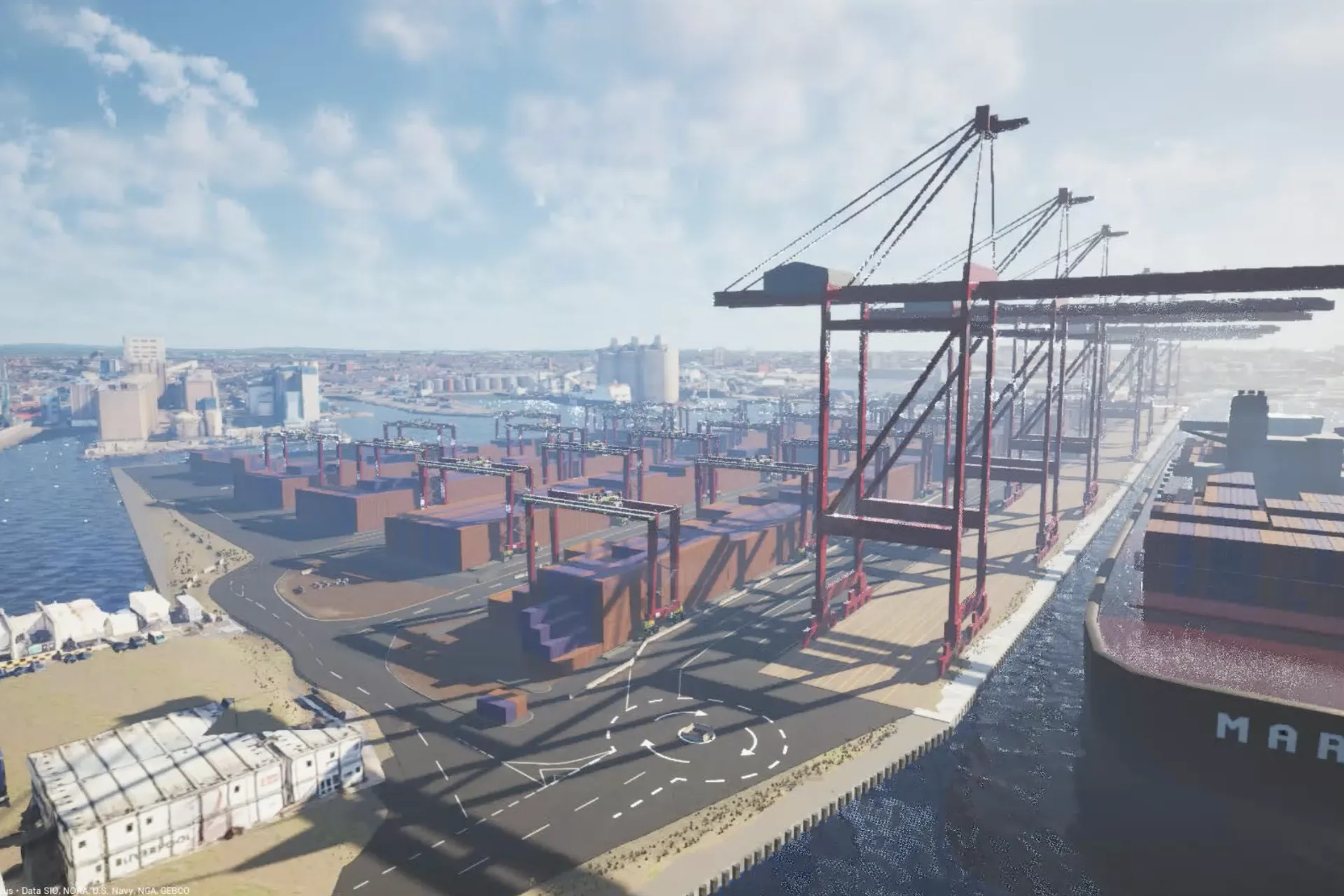
One operational question. "Where are we losing time at the berth?" beats "a digital twin of the port". A twin should earn its place by answering a question someone asks every week.
Real data, early. Assessors are wary of twins built on simulated data. Show where the data comes from, whether that is sensors, existing systems or both (in older buildings, battery sensors that need no rewiring keep this cheap), and how you will get it flowing in the first weeks.
A pilot site. One building, one line, one quay. Prove the value there, then scale.
The right fidelity. Not every twin needs a photo-real 3D world. Sometimes a floor plan with live data is more useful than a game engine. Match the visuals to the decision.
People, not just models. The best twin fails if nobody opens it. Design the dashboards, alerts and handovers around the people who will act on them.
How long does a proof of concept take?
A focused proof of concept, with one site, one question and real data, can be delivered in around eight weeks. We took Quay Twin from an explainer video brief to a navigable twin in that time, and it was shown to government and port authority leaders in Abu Dhabi.
That kind of proof of concept is also what makes a strong funding application. It gives assessors something to see, and gives you evidence for the next round. For what shapes the budget, see how much a digital twin costs.
Next steps
- Pick the single operational question your twin should answer.
- Identify your data sources and a pilot site.
- If you are a tech company, find an adopter partner. If you are an adopter, find a tech partner with a track record.
- Check open calls on Digital Catapult and the Innovation Funding Service.
If you are planning a funded twin and want a partner to scope, design and build it, talk to us. We also run our own live building twin, TEO Sense, so we know what happens when a twin meets real data.
Common questions
What is a digital twin?
A digital twin is a live digital model of a real place, asset or process, kept up to date with data from sensors and systems. People use it to monitor, test changes and make decisions without touching the real thing.
Is there funding for digital twins in the UK?
Yes. Digital Catapult runs funded digital twin accelerators with Innovate UK, and manufacturers can use Made Smarter match funding. Twins that use AI may also fit AI competitions such as BridgeAI, if the organisation deploying the twin is in one of its eligible sectors.
How much does a digital twin cost?
It depends on scope. A focused proof of concept for one site and one question can be delivered in around eight weeks. A production platform with live data, integrations and many users costs considerably more. Start with the proof of concept.
Do I need a partner to apply for digital twin funding?
For Digital Catapult's adoption accelerator, yes. Applicants apply as a pre-formed pair of a UK tech SME and an industry adopter. Other calls set their own rules.